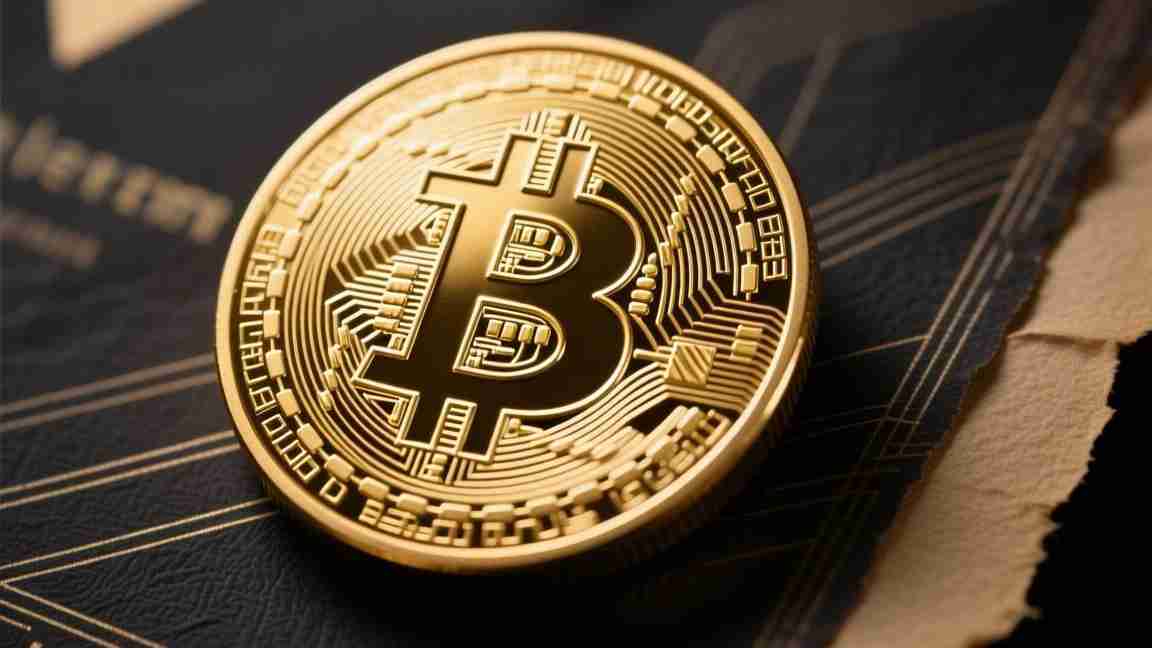
In the fast-paced world of cryptocurrency, new tokens emerge daily, but few have captured the internet’s attention quite like Dogecoin. Born from a meme yet backed by a passionate community, Dogecoin has evolved from a joke to a mainstream financial phenomenon. If you’ve ever scrolled through social media, followed tech trends, or even heard Elon Musk mention “Doge,” there’s a good chance you’ve encountered Dogecoin—even if you didn’t realize it. Let’s break down what it is, how it ended up in your digital orbit, and why it’s more than just a viral trend.
What Exactly Is Dogecoin
At its core, Dogecoin is a peer-to-peer digital currency, similar to Bitcoin, but with a personality all its own. Created in 2013 by software engineers Billy Markus and Jackson Palmer, it started as a lighthearted response to the hype of other cryptocurrencies. Markus and Palmer wanted to create a “fun” alternative to Bitcoin’s serious, technical image, so they turned to one of the internet’s most beloved memes: the Shiba Inu “Doge” dog, with its signature broken-English captions like “much wow” or “so scare.”
Technically, Dogecoin runs on a blockchain (a decentralized digital ledger) and uses a “proof-of-work” system to validate transactions. But unlike Bitcoin, which has a limited supply of 21 million coins, Dogecoin has no hard cap—billions of new coins are mined each year. This inflationary design was originally intended to make it more accessible for small, everyday transactions (like tipping content creators or buying a coffee online), though it’s now primarily used for speculation and community-driven projects.
Why You Might Have Dogecoin (Even If You Don’t Know It)
You don’t need to be a crypto trader to cross paths with Dogecoin. Here’s how it might have landed on your radar—or even in your digital wallet:
Social Media: The Meme That Went Viral
Doge memes were everywhere long before Dogecoin existed, so it’s no surprise the currency inherited that viral DNA. On Reddit, Twitter, and TikTok, users started tipping each other with Dogecoin as a joke—sending a few coins to a commenter who made them laugh, or to a artist who shared cool fan art. This “tipping culture” turned Dogecoin into a community currency, where even small amounts felt meaningful. If you’ve ever seen a tweet with a Shiba Inu and a caption like “To the moon!,” you’ve seen Dogecoin’s cultural footprint.
Celebrity Endorsements: From Musk to Snoop Dogg
No single figure has boosted Dogecoin’s profile more than Elon Musk. The Tesla CEO has tweeted about Dogecoin dozens of times, calling it “the people’s crypto” and even temporarily changing Twitter’s logo to a Doge image in 2023. His tweets have sent Dogecoin’s price surging (and dipping) more than once, turning it into a staple of financial news. Other celebrities, like musician Snoop Dogg and rapper Gene Simmons, have also promoted it, ensuring Dogecoin stays in the mainstream spotlight.
Mainstream Adoption: From Apps to Merch
You don’t need to be on a crypto exchange to “own” Dogecoin these days. Major platforms like Robinhood, PayPal, and eToro now let users buy, sell, and hold Dogecoin alongside stocks and traditional assets. Some even use it for real-world purchases: The Dallas Mavericks NBA team, owned by Mark Cuban, accepts Dogecoin for tickets and merchandise, and online retailers like Overstock and Newegg have added it as a payment option. If you’ve ever paid for something with a few taps on an app and wondered, “Wait, could that have been Dogecoin?”—it’s possible.
The “Meme Coin” Hype: Risk, Reward, and Community
Dogecoin is often called the “original meme coin,” and its rise has inspired a wave of copycats (like Shiba Inu or Dogwifhat). For many, it’s a gateway to cryptocurrency: easy to buy, fun to talk about, and backed by a tight-knit community that calls itself the “DogeArmy.” Even if you’ve never invested, you might have heard friends debate whether it’s a “joke” or a “smart bet”—and that debate alone puts Dogecoin on your radar.
So, Do You Have Dogecoin
Maybe. If you’ve ever:
- Bought a few coins on an app like Robinhood or PayPal,
- Received a “tip” in Dogecoin on Reddit or Twitter,
- Used a service that accepts it as payment,
- Or even just held onto it after a friend said, “You should get some Doge!”
…then yes, you might have Dogecoin. And even if you don’t own any, its influence is hard to ignore: it’s reshaped how we talk about money, memes, and community in the digital age.
Dogecoin started as a joke, but it’s become something bigger: a symbol of how the internet can turn a silly idea into a global movement. Whether you see it as a fun experiment, a risky investm